
You're looking for Halloween decorations in your attic when you spot dark pellets, shredded fiberglass, and a lingering musky odor. These signs can point to rodent activity, but they don't automatically mean all your insulation needs to go. Here's how to recognize when rodent-contaminated insulation should be removed, and when a more targeted cleanup may be enough.
What Is Rodent-Contaminated Insulation?
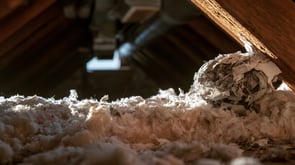 When mice or rats nest in an attic, they tunnel through insulation, compress it along travel paths, and saturate it with urine and droppings. Over time, nesting material gets embedded deep in the fibers. The insulation absorbs these contaminants and can lose its ability to regulate temperature evenly.
Contaminated insulation isn't just a comfort issue. It can affect indoor air quality throughout your home because attic air circulates into living spaces below.
Health Risks of Leaving Contaminated Insulation in Place
Rodent urine and droppings can carry bacteria and allergens that become airborne when disturbed. According to CDC cleanup guidance, you should never vacuum or sweep rodent waste dry, because this releases potentially harmful particles into the air.
Ammonia-like odors from urine saturation can linger for months. In homes with young children, older adults, or anyone with respiratory sensitivities, leaving contaminated material in the attic raises ongoing concerns that cleaning alone may not resolve.
Signs Your Insulation Should Be Removed
Not every attic with rodent evidence needs a full cleanout. You should consider removal when you notice:
- Widespread droppings or urine staining across large sections
- Persistent odor that remains after rodent activity has stopped
- Insulation that is heavily compressed, shredded, or displaced
- Nesting material embedded throughout the fibers
- Visible damage to nearby ducts or wiring
If contamination is limited to a small, accessible area and the surrounding material still performs well, targeted cleanup and localized removal may be enough.
How Burgess Pest Handles Insulation Cleanouts
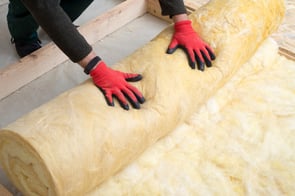 Burgess Pest provides professional insulation cleanout services through our Home Sealer and Sanitizer Service. The process includes removing contaminated material, sanitizing affected areas, sealing access points, and replacing insulation with fresh material.
With nearly a century of experience serving Massachusetts and New England homeowners, our team evaluates each attic individually and recommends a scope of work based on documented conditions, not assumptions.
Protecting Your Home Starts with a Professional Inspection
If you've noticed signs of rodent activity in your attic, the safest first step is a professional evaluation. Burgess Pest Management helps you understand the extent of contamination, determine whether removal is necessary, and develop a plan that addresses the problem at its source. Request a free estimate to get started.